Home › Shipping from Vietnam › Apparel to Los Angeles
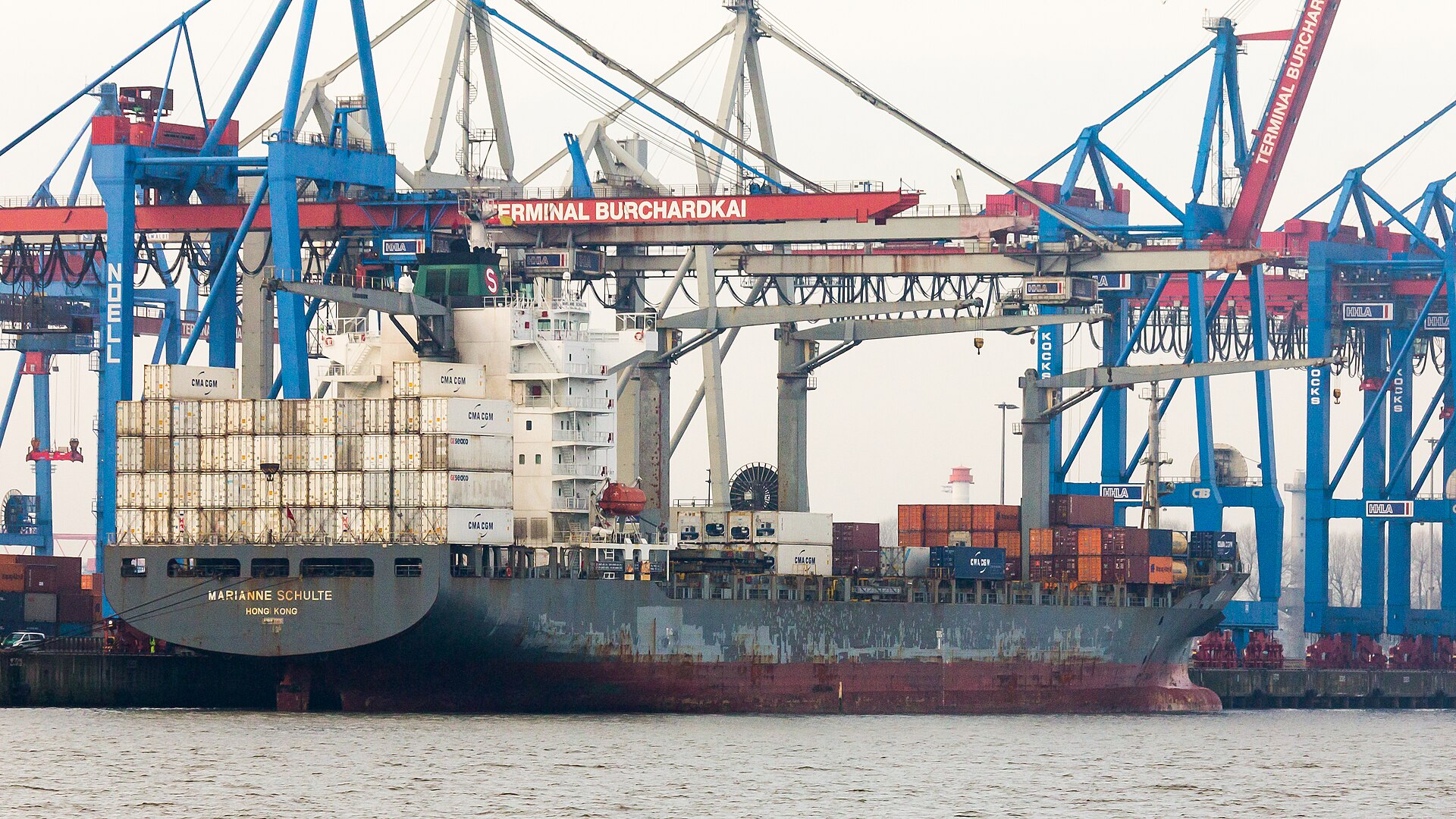
Shipping Apparel from Vietnam to Los Angeles
For U.S. clothing brands and retailers producing in Vietnam. This page covers when to ship by ocean or air, how long each takes, the labeling and supply chain rules garments must meet, and what drives the cost of getting your stock to Los Angeles.
Lane at a Glance
| Origin | Ho Chi Minh City (Cat Lai, Cai Mep), Hai Phong, or Hanoi / Ho Chi Minh City airports for air |
| Destination | Port of Los Angeles or Long Beach, or LAX for air |
| Mode | Ocean FCL or LCL for seasonal stock; air for samples, launches and reorders |
| Ocean transit | About 22–24 days port to port from Ho Chi Minh City; about 4–5 weeks door to door |
| Air transit | About 8–13 days door to door |
| Rates | Change weekly. Get today’s rate |
What Affects Your Apparel Shipping Cost
Garments are light and pack tightly in cartons, so apparel often fills a container closer to its weight limit than furniture does. Here is what goes into an apparel quote:
| Cost component | Why it matters for apparel |
|---|---|
| Ocean or air freight | Ocean is priced per container or per cubic meter for LCL. Air is priced on chargeable weight, which is the greater of actual weight and volume weight. |
| Fuel surcharge | Applies to both ocean and air and moves with fuel prices. |
| Origin fees | Factory pickup, export clearance and terminal or airport handling in Vietnam. |
| Destination fees | Terminal handling in LA or Long Beach, or airline handling at LAX. |
| Customs brokerage and ISF | Apparel entries often have many HTS lines (one per style or fabric type), which affects brokerage. |
| Duties | Set by HTS code: knit garments are mainly in Chapter 61 and woven garments in Chapter 62. Fiber content changes the code. |
| Trucking | Port or airport to your warehouse or 3PL. |
- Ocean vs. air. Air costs much more per kilo but can save 2–3 weeks. Many brands ship the bulk by ocean and split launches or fast sellers onto air.
- Season. Fall and holiday stock moves in the Q3–Q4 peak, and factories close for Tet, so book early around both.
- Garments on hangers vs. flat-packed. Flat-packed cartons fit far more units per container.
For the current Asia to U.S. West Coast container trend, see the Drewry World Container Index or the Freightos Baltic Index FBX01 (East Asia to U.S. West Coast).
Labeling and Supply Chain Rules for Apparel
- Textile labels. The FTC says most textile and wool products must have a label listing the fiber content, the country of origin and the identity of the manufacturer or another responsible business. Garments also need care instructions under the Care Labeling Rule (FTC: Clothing and textiles labeling).
- Cotton and fabric traceability. U.S. Customs presumes that goods made wholly or in part in China’s Xinjiang region, or by companies on the UFLPA Entity List, are banned from import, and cotton is a priority sector. Garments sewn in Vietnam can still be detained if the yarn or fabric traces back there (CBP: Uyghur Forced Labor Prevention Act; CBP: UFLPA enforcement FAQs).
- Ask your factory for mill and fabric records before production, so you can show where the cotton, yarn and fabric came from if Customs asks.
Duty guidance here is general. Look up your styles in the USITC Harmonized Tariff Schedule and confirm each HTS code with a licensed customs broker.
How an Apparel Shipment Moves
1
Book
Send style list, carton count, weight and cubic meters. For ocean, book 3–4 weeks before cargo is ready.
2
Pick up and export
Trucking from the factory and export clearance in Vietnam.
3
Ocean or air
About 22–24 days by sea, or a few days in the air to LAX.
4
Customs and delivery
Entry through a licensed broker, then delivery to your warehouse or 3PL.
Documents for Apparel
- Commercial invoice: seller, buyer, product descriptions, values and Incoterms
- Packing list: cartons, weights and dimensions per carton
- Bill of lading: issued by the carrier or our licensed forwarding partner
- ISF (10+2) data: filed at least 24 hours before the container is loaded in Vietnam
- Certificate of origin: when your product or buyer needs one
- Fiber content by style on the commercial invoice, matching the garment labels
- Supply chain records: yarn, fabric and mill details, especially for cotton
- Air waybill instead of a bill of lading when shipping by air
Common Apparel Pitfalls
- Invoice fiber content that doesn’t match the sewn-in labels.
- No fabric or yarn origin records for cotton garments.
- Sending all stock by air when only the launch quantity needs to be fast.
- Booking ocean space too late for holiday stock.
Apparel Shipping Questions
Should I ship clothing by ocean or air?
Ocean for planned seasonal stock, air for samples, launches and reorders that can’t wait about a month. Many brands split one order between both.
How long does it take to ship clothes from Vietnam to LA?
About 22–24 days by sea from Ho Chi Minh City, usually 4–5 weeks door to door. Air is about 8–13 days door to door.
What labels do my garments need?
Fiber content, country of origin, the responsible business, and care instructions. See the FTC’s clothing and textiles guidance.
How much does it cost to ship apparel?
Rates change weekly, so we don’t publish them. Get today’s rate with your carton count, weight and volume.
Related Routes
Ready to ship apparel from Vietnam?
Sources (checked October 28, 2026): FTC: Clothing and textiles labeling; CBP: Uyghur Forced Labor Prevention Act; CBP: UFLPA enforcement FAQs; USITC Harmonized Tariff Schedule; Ho Chi Minh City to Los Angeles sailing schedule data (46 tracked sailings); Warp, Vietnam to US air freight transit times (Oct 20, 2026).
Photos via Wikimedia Commons: Raimond Spekking / CC BY-SA 4.0.


