Home › Shipping from Vietnam › Footwear to the USA
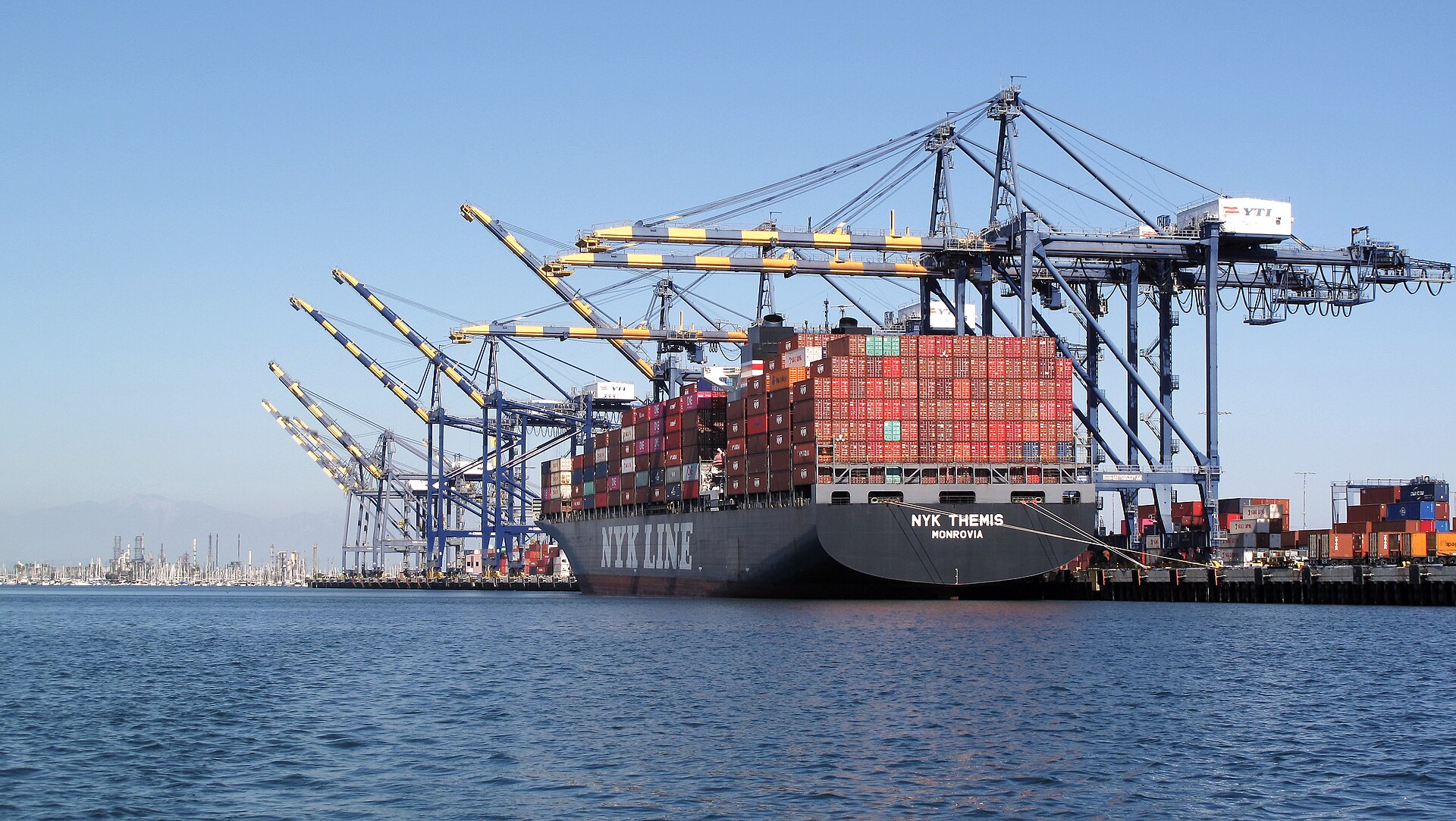
Shipping Footwear from Vietnam to the USA
For U.S. footwear brands and retailers producing shoes in Vietnam. This page covers how shoes reach U.S. stores and warehouses through Los Angeles and Long Beach, how long it takes, the marking and testing rules that apply, and what drives your shipping cost.
Lane at a Glance
| Origin | Ho Chi Minh City (Cat Lai, Cai Mep) or Hai Phong; Ho Chi Minh City or Hanoi airports for air |
| U.S. entry | Port of Los Angeles or Long Beach, or LAX for air, then trucking or rail inland |
| Mode | Ocean FCL or LCL for season stock; air for samples and fast reorders |
| Ocean transit | About 22–24 days port to port from Ho Chi Minh City; about 4–5 weeks door to door in Southern California |
| Air transit | About 8–13 days door to door |
| Rates | Change weekly. Get today’s rate |
What Affects Your Footwear Shipping Cost
Shoes ship in boxes inside master cartons, so cartons fill a container by space well before weight. These are the parts of a footwear quote:
| Cost component | Why it matters for footwear |
|---|---|
| Ocean or air freight | Ocean is priced per container or per cubic meter for LCL; air is priced on chargeable weight, and shoe boxes are bulky for their weight. |
| Fuel surcharge | Moves with fuel prices on both ocean and air. |
| Origin and destination fees | Factory pickup, export clearance and terminal or airport handling at both ends. |
| Customs brokerage and ISF | Each style can need its own HTS line, depending on the upper and sole materials. |
| Duties | Footwear is in Chapter 64 of the tariff schedule. The code depends on the upper material, the outer sole, and other details, and footwear codes vary widely. |
| Inland delivery | Trucking from the port to your warehouse, or rail and truck to inland U.S. destinations. |
- Carton size and fill. Ask the factory for master carton dimensions early; carton count drives FCL vs. LCL.
- Season. Back-to-school and holiday stock compete for space in the Q3–Q4 peak, and factories close for Tet.
- Final U.S. destination. East Coast or Midwest warehouses add rail or long-haul trucking after LA.
For the current Asia to U.S. West Coast container trend, see the Drewry World Container Index or the Freightos Baltic Index FBX01 (East Asia to U.S. West Coast).
Marking, Testing and Supply Chain Rules
- Country of origin marking. CBP says every article of foreign origin entering the U.S. must be legibly marked with the English name of its country of origin unless an exception applies (CBP: Marking of country of origin on U.S. imports). For Vietnamese shoes, that usually means “Made in Vietnam” on the shoe.
- Children’s shoes. Shoes made for children 12 and under are children’s products. They must meet CPSC lead limits, be tested by a CPSC-accepted lab, and ship with a Children’s Product Certificate from the importer or manufacturer (CPSC: Children’s Product Certificate; CPSC: Total lead content).
- Materials traceability. Cotton linings, leather and rubber can come from outside Vietnam. U.S. Customs can detain goods with inputs from China’s Xinjiang region or from listed companies under the UFLPA (CBP: Uyghur Forced Labor Prevention Act). Keep supplier records for your materials.
Duty guidance here is general. Look up your styles in the USITC Harmonized Tariff Schedule and confirm each HTS code with a licensed customs broker.
How a Footwear Shipment Moves
1
Book
Send style list, carton count, carton size and weight. For ocean, book 3–4 weeks before cargo is ready.
2
Pick up and export
Trucking from the factory and export clearance in Vietnam.
3
Ocean or air
About 22–24 days by sea to LA or Long Beach, or air to LAX.
4
Customs and delivery
Entry through a licensed broker, then trucking or rail to your warehouse.
Documents for Footwear
- Commercial invoice: seller, buyer, product descriptions, values and Incoterms
- Packing list: cartons, weights and dimensions per carton
- Bill of lading: issued by the carrier or our licensed forwarding partner
- ISF (10+2) data: filed at least 24 hours before the container is loaded in Vietnam
- Certificate of origin: when your product or buyer needs one
- Material breakdown by style: upper, lining and outer sole materials, which your broker needs for the HTS code
- Children’s Product Certificate and lab reports for kids’ styles
- Air waybill instead of a bill of lading when shipping by air
Common Footwear Pitfalls
- Invoices that describe shoes only as “shoes” without the upper and sole materials, which slows classification.
- Missing “Made in Vietnam” marking on the shoe itself.
- Kids’ styles shipped without lab testing or a Children’s Product Certificate.
- Ignoring inland costs when the final warehouse is far from Los Angeles.
Footwear Shipping Questions
How long does it take to ship shoes from Vietnam to the U.S.?
About 22–24 days by sea from Ho Chi Minh City to Los Angeles, usually 4–5 weeks door to door in Southern California. Inland destinations take longer. Air is about 8–13 days door to door.
Do my shoes need to say “Made in Vietnam”?
Imported goods must be marked with their English country of origin unless an exception applies. Check details with your customs broker.
What do children’s shoes need?
Lab testing for lead and a Children’s Product Certificate under CPSC rules.
How much does it cost to ship a container of shoes?
Rates change weekly, so we don’t publish them. Get today’s rate with your carton count and dimensions.
Related Routes
Ready to ship footwear from Vietnam?
Sources (checked October 28, 2026): CBP: Marking of country of origin on U.S. imports; CPSC: Children’s Product Certificate; CPSC: Total lead content; CBP: Uyghur Forced Labor Prevention Act; USITC Harmonized Tariff Schedule; Ho Chi Minh City to Los Angeles sailing schedule data (46 tracked sailings); Warp, Vietnam to US air freight transit times (Oct 20, 2026).
Photos via Wikimedia Commons: Downtowngal / CC BY-SA 4.0.


