Home › Shipping from Vietnam › Electronics to Los Angeles
Shipping Electronics from Vietnam to Los Angeles
For U.S. brands and distributors sourcing consumer electronics, accessories and components from Vietnam. This page covers ocean vs. air, the battery and radio rules electronics must meet, and what drives the cost of getting them to Los Angeles.
Lane at a Glance
| Origin | Hai Phong or Hanoi airport in the north; Ho Chi Minh City port or airport in the south |
| Destination | Port of Los Angeles or Long Beach, or LAX for air |
| Mode | Ocean FCL or LCL for planned stock; air for launches and high-value restocks |
| Typical transit time | Ask for your current transit schedule |
| Rates | Change weekly. Get today’s rate |
Transit times vary by carrier, season and port congestion. Ask for your current schedule with a quote.
What Affects Your Electronics Shipping Cost
Electronics are high-value and often contain batteries, which shapes how they move:
| Cost component | Why it matters for electronics |
|---|---|
| Ocean or air freight | Ocean is priced per container or cubic meter; air on chargeable weight. High value per kilo makes air worth it more often than for other goods. |
| Dangerous goods handling | Lithium batteries can need special packing, labels and paperwork, which adds cost, especially by air. |
| Cargo insurance | Worth pricing for high-value shipments. |
| Origin and destination fees | Export clearance and terminal or airport handling. |
| Customs brokerage and ISF | Electronics entries can include FCC import declarations. |
| Duties | Electronics are mostly in Chapters 84 and 85 of the tariff schedule. |
- Batteries. Shipping batteries inside or with equipment is treated differently from loose batteries.
- Value. Higher value raises insurance and some customs fees, which are based on value.
- Season. Holiday launches compete for air and ocean space in Q3–Q4.
For the current Asia to U.S. West Coast container trend, see the Drewry World Container Index or the Freightos Baltic Index FBX01 (East Asia to U.S. West Coast).
Battery and Radio Rules
- Lithium batteries. Lithium batteries are regulated as hazardous materials in transport, with rules for packing, marking and documentation (PHMSA: Lithium batteries). Ask your factory for the battery test summary before booking.
- Radio frequency devices. Devices that emit radio frequencies, such as Bluetooth, Wi-Fi and wireless chargers, must have the right FCC equipment authorization before import. An import declaration is filed with CBP (FCC: Equipment authorization and importation).
- Supply chain records. Keep records of where key components came from, in case Customs asks.
Duty guidance here is general. Look up your products in the USITC Harmonized Tariff Schedule and confirm each HTS code with a licensed customs broker.
How an Electronics Shipment Moves
1
Book
Send product list, battery details, cartons and value.
2
Pick up and export
Trucking from the factory and export clearance in Vietnam.
3
Ocean or air
By sea to LA or Long Beach, or by air to LAX.
4
Customs and delivery
Entry and FCC declarations through a licensed broker, then delivery.
Documents for Electronics
- Commercial invoice: seller, buyer, product descriptions, values and Incoterms
- Packing list: cartons, weights and dimensions per carton
- Bill of lading: issued by the carrier or our licensed forwarding partner
- ISF (10+2) data: filed at least 24 hours before the container is loaded in Vietnam
- Certificate of origin: when your product or buyer needs one
- Battery test summary and safety data for products with lithium batteries
- FCC authorization details (FCC ID or Supplier’s Declaration of Conformity) for radio devices
- Air waybill instead of a bill of lading for air shipments
Common Electronics Pitfalls
- Batteries not declared at booking, leading to rejected or delayed air cargo.
- Radio devices without FCC authorization details ready for customs.
- High-value cargo shipped uninsured.
- Invoice descriptions too vague to classify (“electronic parts”).
Electronics Shipping Questions
Can electronics with lithium batteries ship by air?
Often yes, with the right packing, labels and paperwork. Some battery types and sizes face more limits by air, so we check before booking.
Do my products need FCC approval?
Devices that emit radio frequencies need FCC equipment authorization before import. Your customs broker files the import declaration.
Ocean or air for electronics?
Ocean for planned stock; air for launches, high-value items and urgent restocks.
How much does it cost to ship electronics?
Rates change weekly, so we don’t publish them. Get today’s rate with product, battery and carton details.
Related Routes
Ready to ship electronics from Vietnam?
Sources (checked October 28, 2026): PHMSA: Lithium batteries; FCC: Equipment authorization and importation; USITC Harmonized Tariff Schedule.
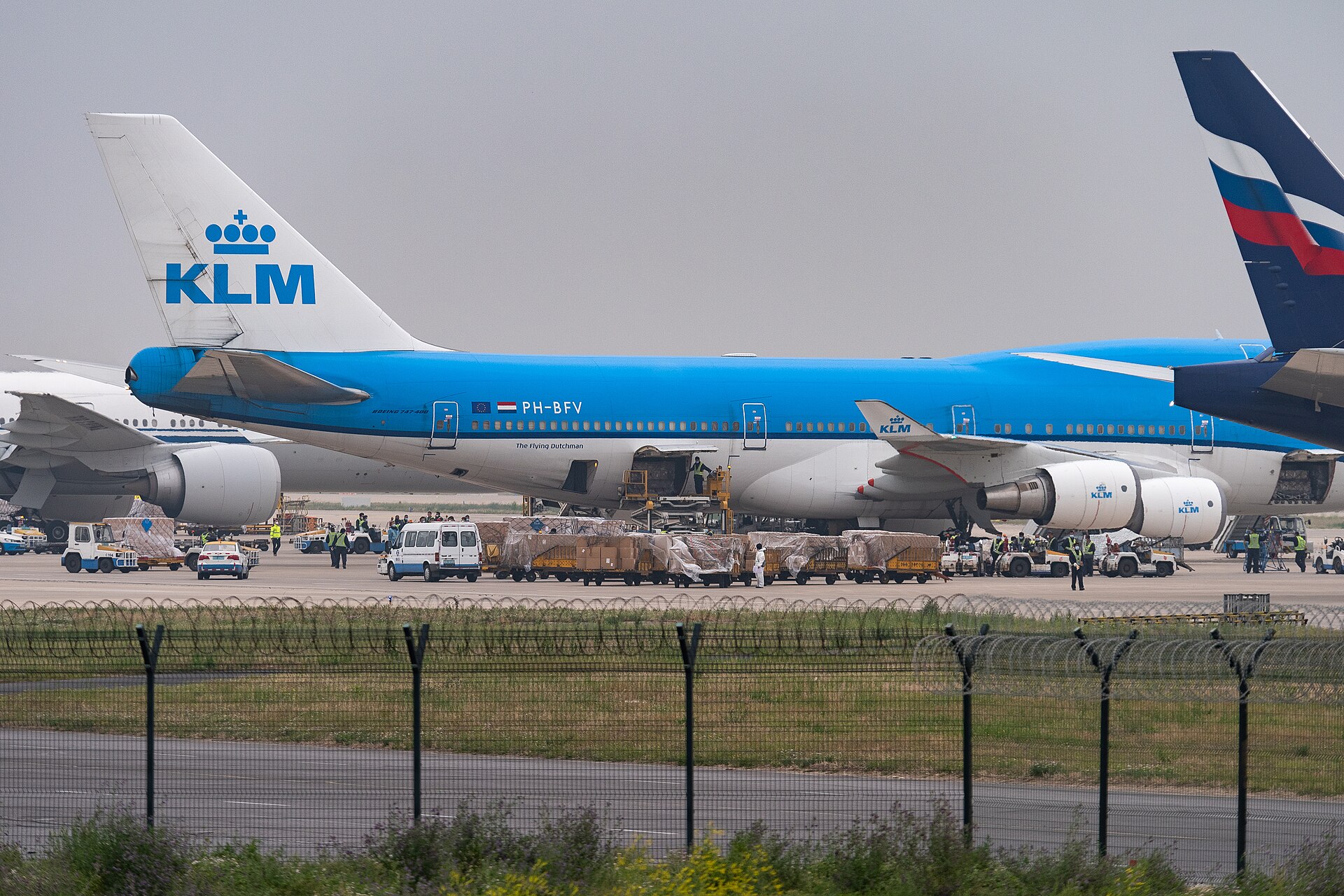
Photos via Wikimedia Commons: N509FZ / CC BY-SA 4.0.


